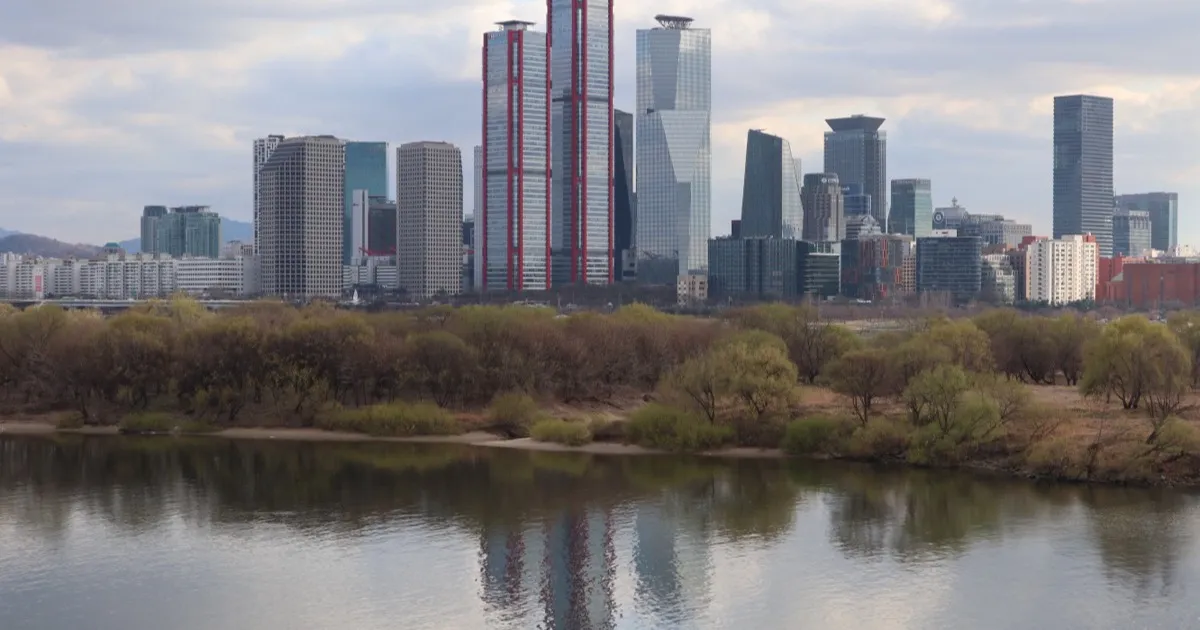
The AI-Cost Selloff Goes Global: Kospi Sinks 6%, the Nikkei Tumbles 4%, and a Hot PCE Keeps the Fed Hawkish

The anxiety that took down Apple on Thursday metastasized into a global rout overnight. The single idea behind it — that a memory-chip shortage powerful enough to mint a fortune for Micron is, by the same token, a crushing input-cost shock for everyone who buys those chips — jumped continents while America slept, and it landed hardest where the memory industry actually lives. South Korea’s Kospi sank nearly 6% and tripped circuit breakers as Samsung and SK Hynix were dumped; Japan’s Nikkei 225 tumbled 4.15%, surrendering more than 3,000 points and almost all of Thursday’s record-setting gain; and SoftBank, the most leveraged bet on AI infrastructure on the planet, plunged at the head of a broad Asian tech selloff.
By the time U.S. futures came to life, the damage had spread to Europe and washed up on Wall Street — though, tellingly, in muted form. S&P 500 futures are off about 0.15% and Nasdaq 100 futures around 0.6%, while Dow futures actually sit slightly green, a continuation of the rotation out of expensive megacap technology and into cheaper, cyclical value that has defined this entire week. The Nasdaq is on course for a fifth straight losing session, and both it and the S&P are heading for a down week.
Into that fragile tape lands the data the market has feared all week: the Fed’s preferred inflation gauge. Core PCE for May rose to 3.4% year over year — hotter than the 3.3% consensus, accelerating from April, and the highest reading since late 2023. Headline PCE came in around 4.1%. It is precisely the kind of print that keeps a hawkish Warsh Fed in play, locks in better-than-one-in-three odds of a July hike, and gives a nervous, “Fear”-gripped market one more reason to sell first and ask questions later. The one bright spot: oil is sliding on news of a U.S.-Iran peace deal.
Pre-Market Snapshot
| Instrument | Level | Change |
|---|---|---|
| S&P 500 futures | 7,411.75 | −0.15% |
| Nasdaq 100 futures | 29,535.50 | −0.64% |
| Dow futures | 52,434 | +0.18% |
| VIX | ~20 | rising |
| 10-yr Treasury | ~4.40% | steady |
| 2-yr Treasury | 4.11% | easing |
| Gold (spot) | $4,045.70 | −0.05% |
| WTI crude | $69.84 | −2.89% |
| EUR/USD | ~1.135 | dollar firm |
| Bitcoin | ~$60,200 | +0.7% |
For context, Thursday’s U.S. close was already a tense one: the S&P finished essentially flat at 7,357.49, the Dow rose 0.14% to 51,920.62, the Nasdaq Composite fell 0.46% to 25,358.60 (its fourth straight loss), and the small-cap Russell 2000 climbed 0.71% past 3,000. Apple cratered 6.1%, even as Micron jumped 15.7% and SanDisk surged 22% — the split that is now the whole story.
Overnight Developments
The AI-cost fear sweeps Asia
What began as a single-stock story in New York became a regional crisis in Seoul and Tokyo. The logic is brutally simple and now globally understood: the same surging DRAM and NAND prices that gave Micron a record-margin guide are a tax on every device maker, server builder and AI hyperscaler that must buy those chips. Investors who had chased the memory complex to record highs on Thursday spent Friday locking in profits and fleeing the consumers of memory. South Korea, whose index is dominated by Samsung and SK Hynix, saw its Kospi drop nearly 6% and activate circuit breakers; Japan’s Nikkei gave back 4.15%; and SoftBank, with its enormous bets on Arm and AI compute, led the broad tech decline. It was a near-perfect mirror image of Thursday’s melt-up.
A hot PCE reignites the inflation worry
Friday morning’s personal-income-and-spending report carried the inflation reading that matters most to the Fed, and it ran hot. Core PCE accelerated to roughly 3.4% year over year — above the 3.3% consensus and up from the prior month — while the headline measure held near 4.1%. With CPI already running at 4.2%, the data hardens the case that inflation is sticky and possibly re-accelerating, exactly the backdrop in which a hawkish Fed keeps optionality to hike. Futures still price the July 29 meeting as roughly a 69% hold and a 31% chance of a move to 3.75%–4.00%, but a hotter trend nudges the risk in the hawkish direction.
Oil slides on a U.S.-Iran peace deal
The one place risk premium is draining rather than building is energy. WTI crude fell almost 3% to $69.84, reversing Thursday’s war-driven spike, after news of a U.S.-Iran peace deal under which the IAEA will gain access to Tehran’s nuclear sites. The market chose to look past lingering tensions — including a container-ship attack near Oman on Thursday that prompted the UN to pause a Strait of Hormuz evacuation plan — and focus instead on a more comfortable supply outlook. Cheaper crude is a modest disinflationary offset to the hot PCE, though it does little for the megacap tech names at the center of today’s selling.
Global Markets
Asia bore the brunt. The Kospi sank nearly 6% with circuit breakers triggered; Japan’s Nikkei 225 fell 4.15% to 69,360.88; China’s Shanghai Composite dropped 2.26% to 4,027.27; and Hong Kong’s Hang Seng slid 1.76% to 22,671.86. India was the lone holdout, with the Sensex (77,100) and Nifty 50 (24,056) each edging up about 0.14%, a reminder that the rout is specifically an AI-and-memory story rather than a wholesale emerging-market flight.
Europe opened lower and stayed there. The DAX fell 0.78% to 24,800.14, the CAC 40 dropped 0.42% to 8,396.19, the Euro Stoxx 50 lost 0.47%, and the FTSE 100 held up best with a 0.31% decline to 10,497.37. The technology sub-index led the region lower, tracking the same global semiconductor weakness.
Macro and Rates
The bond market’s reaction is the tell worth watching. Despite the hot core PCE, the 2-year yield eased to 4.11% and the 10-year held near 4.40%, a sign that traders are weighing sticky inflation against a visibly slowing risk appetite — a classic late-cycle tension. The dollar firmed modestly on the inflation print, nudging the euro toward $1.135, while gold held flat near $4,046 and Bitcoin steadied around $60,200, just off its 52-week low. The standout move remains crude’s near-3% slide, which keeps a lid on one source of inflation even as the core services picture stays uncomfortably warm.
Corporate News
- SoftBank: Plunged in Tokyo, leading the Asian tech selloff as investors grew wary of the rising cost of the AI-infrastructure build-out it has bet so heavily on.
- SK Hynix: Fell sharply in the Kospi rout even as it prepares a U.S. listing priced around $166 per share; HSBC argues the float could be worth up to 20% more as it narrows the valuation gap with Micron.
- Apple: After its worst session in more than a year, analysts argued the company “can weather the storm” of higher memory costs — its Mac and iPad price hikes were the first official move to pass those costs to consumers.
- ON Semiconductor: Struck a roughly $7 billion deal for Synaptics in a “physical AI” push that it says expands its addressable market by $30 billion, to $243 billion by 2030.
- Binance: Will stop serving European clients after failing to secure a license under the bloc’s MiCA rules ahead of a July 1 deadline.
Premarket Movers
| Ticker | Company | Move | Catalyst |
|---|---|---|---|
| AAPL | Apple | lower | Memory-cost overhang persists after Thursday’s 6% drop |
| MU | Micron | lower | Gives back part of +15.7% as the global memory trade reverses |
| NVDA | Nvidia | lower | Caught in the AI-cost contagion and tech de-risking |
| 9984 | SoftBank (Tokyo) | plunged | Led the Asian tech rout on AI-infrastructure cost fears |
| 000660 | SK Hynix (Seoul) | sharply lower | Memory selloff; U.S. listing priced near $166/share |
| ON | ON Semiconductor | in focus | ~$7B deal for Synaptics in a physical-AI push |
Economic Calendar
| Time (ET) | Release | Actual / Consensus | Prior |
|---|---|---|---|
| 8:30 a.m. | Core PCE (May, YoY) | 3.4% (cons. 3.3%) | 3.3% |
| 8:30 a.m. | Headline PCE (May, YoY) | ~4.1% | 3.8% |
| 8:30 a.m. | Personal Income & Spending (May) | — | — |
| 10:00 a.m. | UMich Consumer Sentiment (final, June) | — | — |
| Tue Jun 30 | Nike (NKE) fiscal Q4 earnings | EPS ~$0.13 | — |
The AlphaEdge Prediction
With S&P 500 futures down about 0.15%, the index is set to open near 7,346, just below Thursday’s 7,357.49 close, with the Nasdaq leading lower and the Dow trying to hold green. The two crosscurrents — a global AI-cost selloff pulling tech down and a hot PCE keeping rates traders cautious — argue for a choppy, headline-driven session to close a rough week.
Base case: We expect the S&P to trade a 7,310–7,390 range, opening soft on the Asian rout and the hot inflation print before steadying as the rotation into value, small caps and energy-adjacent cyclicals cushions the cap-weighted indices. The Nasdaq is the clear laggard and risks a fifth straight down day.
Bull case: If the market reads the PCE as “hot but not a shock” and treats the Asian plunge as a one-off de-risking, dip-buyers and the broadening rotation lift the S&P back toward 7,400, with the Dow and Russell leading and the week ending on a steadier note.
Bear case: A deepening AI-cost narrative that drags Apple, Nvidia and the megacaps lower, combined with the hawkish read on core inflation, pushes the S&P toward 7,300 and then 7,280, with the Nasdaq accelerating its losing streak. Watch 7,300 as the line in the sand; a clean break opens the door to 7,250.
The AI-memory boom has finally shown its second face — an input-cost shock that just wiped 6% off Korea’s market and 4% off Japan’s — and a hot core PCE leaves the Fed no room to ride to the rescue. Respect the rotation, watch 7,300 on the S&P, and remember that the inflation number, not the next chip headline, still holds the gavel into the weekend.
Senior Equity Analyst & Founder at AlphaEdge. Columbia University MSFE (2011–2013). Covering equities, macro, and geopolitics for serious investors.