S&P 500 Posts Fifth Straight Losing Week as PCE Inflation Runs Hot, Dow Enters Correction, Brent Tops $110, Meta Selloff Deepens, Rate Hike Odds Cross 50%

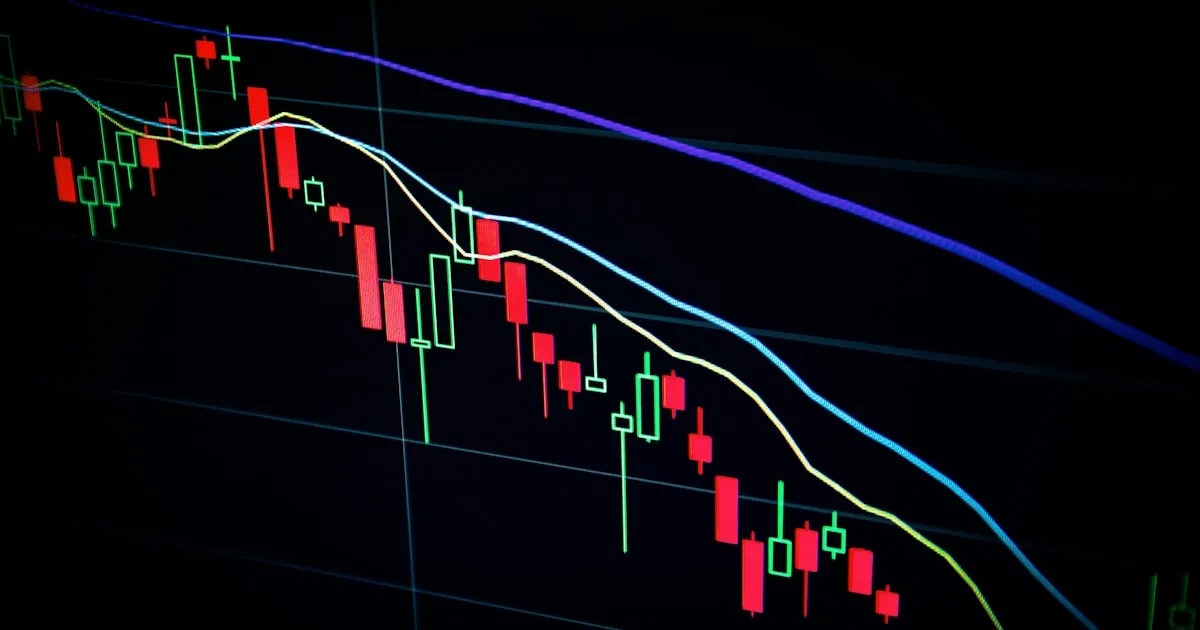
Wall Street closed out its worst week of the year on Friday as a hotter-than-expected PCE inflation print, surging Treasury yields, and Brent crude topping $110 per barrel combined to push all three major indexes sharply lower. The S&P 500 fell 1.69% to close at 6,342, capping its fifth consecutive losing week — the longest streak since 2022. The Dow Jones Industrial Average dropped 1.73% to settle at 45,137, officially entering correction territory at more than 10% below its December high. The Nasdaq Composite shed 1.95% to close at 21,104.
The session’s catalyst was the February Personal Consumption Expenditures price index — the Federal Reserve’s preferred inflation gauge — which came in at 0.4% month-over-month, above the 0.3% consensus estimate. Core PCE, which strips out food and energy, rose 0.3%, in line with expectations but still elevated by historical standards. The year-over-year core PCE ticked up to 2.8%, reinforcing concerns that the inflation trajectory is moving in the wrong direction.
Closing Scoreboard
| Index / Asset | Close | Change | % Change |
|---|---|---|---|
| S&P 500 | 6,342 | −109 | −1.69% |
| Dow Jones | 45,137 | −794 | −1.73% |
| Nasdaq Composite | 21,104 | −421 | −1.95% |
| Russell 2000 (IWM) | $242.98 | −$4.46 | −1.80% |
| Brent Crude | $110.42 | +$2.41 | +2.23% |
| WTI Crude | $96.18 | +$1.70 | +1.80% |
| Gold (GLD proxy) | ~$4,290 | −$72 | −1.65% |
| 10-Year Treasury | 4.46% | +4 bps | — |
| 2-Year Treasury | 4.02% | +5 bps | — |
| VIX | ~30.2 | +1.7 | +6.0% |
| Bitcoin | ~$68,400 | −$2,600 | −3.7% |
What Happened
Friday’s session was dominated by two forces: the PCE inflation data that landed before the bell and the relentless march higher in oil prices that has defined this entire month. Together, they delivered the kind of one-two punch that leaves very few places to hide.
PCE Inflation: The Fed’s Nightmare Scenario Takes Shape
The Bureau of Economic Analysis reported that headline PCE rose 0.4% in February, the hottest monthly reading since last spring and above the 0.3% consensus. The year-over-year rate climbed to 2.6%. Core PCE — the number the Fed watches most closely — rose 0.3% month-over-month and 2.8% year-over-year, a step backward after several months of gradual progress toward the 2% target.
The data landed just two days after the OECD forecast U.S. inflation at 4.2% for 2026, well above the Fed’s own 2.7% projection from its March meeting. The gap between what the Fed expects and what external forecasters see is the widest it has been in years, and Friday’s PCE print did nothing to narrow it.
Brent Breaks Through $110
International benchmark Brent crude surged past $110 per barrel for the first time in the conflict, settling at $110.42 — up 2.23% on the day and roughly 40% above pre-war levels. WTI crude climbed to $96.18. The rally was driven by reports that Iran’s Revolutionary Guard was tightening enforcement of the de facto Hormuz blockade, inspecting more vessels and delaying tanker traffic through the strait.
Average U.S. gasoline prices have now reached $3.98 per gallon, roughly $1.00 higher than a month ago. Diesel has crossed $5.00 in multiple states, hitting trucking margins and adding pressure to already strained supply chains. The USDA warned Friday that spring planting costs for Midwest farmers could rise 25–30% due to the combined impact of higher fuel and fertilizer prices.
Dow Enters Correction
Friday’s decline pushed the Dow Jones Industrial Average into official correction territory, joining the Nasdaq Composite which entered correction on Thursday. The Dow is now down more than 10% from its December record high of 50,490. The S&P 500, while not yet technically in correction, has posted five consecutive weekly losses — the longest such streak since the 2022 bear market.
Small caps fared no better. The Russell 2000, as tracked by IWM, fell 1.80% to $242.98, reflecting acute sensitivity to higher borrowing costs and domestic economic weakness.
Mega-Cap Movers
| Stock | Close | Change | % Change | Notes |
|---|---|---|---|---|
| META | $525.72 | −$21.82 | −3.99% | Post-verdict selloff continues; down 12% in two sessions |
| AMZN | $199.34 | −$8.20 | −3.95% | Broke below $200 for first time since November |
| TSLA | $361.83 | −$10.28 | −2.76% | Consumer discretionary pressure; brand headwinds |
| GOOGL | $274.34 | −$6.58 | −2.34% | Continued addiction-verdict spillover |
| NVDA | $167.52 | −$3.72 | −2.17% | Memory chip demand concerns linger |
| AAPL | $248.80 | −$4.09 | −1.62% | Even the defensive bid crumbled |
Every Magnificent Seven stock fell on Friday, with Meta and Amazon leading the decline. Meta shed nearly 4% as the fallout from Wednesday’s landmark social media addiction verdicts continued to weigh on the stock — it has now lost roughly 12% across two sessions, erasing more than $70 billion in market capitalization. Analysts at Bernstein cautioned that “the legal risk is now structural, not episodic,” as thousands of similar lawsuits await trial across the country.
Amazon’s breach below the $200 level was a psychologically significant moment. The stock is now down roughly 16% from its February highs as consumer spending fears intensify. Rising gasoline prices are directly competing with discretionary purchases, and the April 2 reciprocal tariffs represent an additional overhang for the e-commerce giant.
Sector Breakdown
| Sector | ETF | % Change |
|---|---|---|
| Energy | XLE | +1.71% |
| Utilities | XLU | −0.6% |
| Consumer Staples | XLP | −0.7% |
| Health Care | XLV | −0.9% |
| Financials | XLF | −1.1% |
| Real Estate | XLRE | −1.3% |
| Industrials | XLI | −1.4% |
| Materials | XLB | −1.5% |
| Consumer Discretionary | XLY | −1.8% |
| Communication Services | XLC | −1.9% |
| Technology | XLK | −1.97% |
Energy was once again the only sector in the green, with XLE gaining 1.71% as Brent crude’s move above $110 lifted the entire complex. ConocoPhillips, Marathon Petroleum, and Valero Energy all hit new 52-week highs. Technology was the worst-performing sector for the second straight day, dragged down by Meta’s continued decline and broad weakness across semiconductors.
Economic Data
PCE Price Index (February)
The headline PCE rose 0.4% month-over-month, above the 0.3% consensus and the highest monthly reading since May 2025. Core PCE rose 0.3%, in line with expectations. Year-over-year, headline PCE came in at 2.6% and core at 2.8%. Personal spending rose 0.5%, slightly below the 0.6% expected, while personal income increased 0.4%, matching forecasts.
The data is particularly significant because February captured only the very beginning of the oil price spike — the war started on February 28. March’s PCE, due in late April, will reflect the full brunt of the energy shock and is expected to show a much larger increase.
University of Michigan Consumer Sentiment (Final March)
The final reading for March consumer sentiment came in at 57.0, confirming a sharp deterioration from 64.7 in February. The expectations component fell to 52.6, the lowest since November 2022. Year-ahead inflation expectations surged to 5.0% — the highest reading since the post-pandemic inflation surge — driven almost entirely by gasoline prices. The five-year inflation expectations also ticked up to 4.1%, a worrying sign that long-term expectations are becoming unanchored.
Treasury Market
The 10-year Treasury yield climbed 4 basis points to 4.46%, its highest level since July 2025. The 2-year yield pushed past 4.0% for the first time in months. The yield curve dynamics reflect a market that has completely repriced its rate expectations: no cuts in 2026, and growing odds that the next move could be a hike. The shift has been dramatic — as recently as January, markets were pricing in three rate cuts this year.
Corporate News
- Meta $10B data center expansion: Despite its stock’s 12% two-day decline, Meta announced it is increasing spending on an El Paso, Texas data center from $1.5 billion to $10 billion, doubling down on its AI infrastructure bet even as the legal outlook for its social media business darkens.
- SpaceX IPO: Elon Musk is considering allocating up to 30% of SpaceX’s upcoming IPO to retail investors — roughly three times the typical split. Musk believes his fanbase will drive demand and support the stock post-debut. The move comes amid reports that Anthropic could go public as soon as October.
- Carnival Cruise Lines: Beat Q1 earnings estimates on strong bookings and premium pricing, but shares fell 3% as investors worried about the impact of rising fuel costs on forward margins. Bunker fuel prices are up roughly 35% since February.
- David Sacks exits crypto czar role: The White House crypto czar departed with key legislation unresolved, leaving the regulatory framework for digital assets in limbo. Bitcoin fell below $69,000 amid broad risk-off sentiment and a $14 billion options expiry.
- Netflix price increases: The streaming giant raised prices across all tiers, betting that its content moat can withstand consumer resistance during a period of rising costs.
- Coinbase / Fannie Mae crypto mortgages: Coinbase and Better Home & Finance launched the first crypto-backed conforming mortgage that Fannie Mae will accept, allowing homebuyers to use Bitcoin and other tokens as collateral without selling.
- FBI Director Kash Patel hacked: Patel’s personal email was breached by an Iran-linked group, raising security concerns at a sensitive time in the conflict.
- E15 gasoline: The Trump administration authorized year-round E15 gasoline sales — a fuel blend containing 15% ethanol — in an effort to lower prices at the pump.
Broader Context
The weekly damage was significant. The S&P 500 lost roughly 0.5% for the week, the Nasdaq shed 1.1%, and the Dow — despite a strong Monday rally on ceasefire hopes — still closed the week down roughly 0.2%. It was the S&P 500’s fifth consecutive weekly decline, matching the longest losing streak since September 2022.
Money flows tell the story of a market under stress. According to Bank of America’s weekly fund flow data, investors pulled $8.7 billion from equity funds this week — the largest outflow since the banking crisis in March 2023. Cash positions at major funds have climbed to levels not seen since the depths of the 2022 selloff. Foreigners have pulled a record $52 billion from emerging market Asian stocks since the war began.
Trump’s extension of the energy strike pause to April 6, announced after Thursday’s close, provided a brief lift to futures overnight but was largely forgotten by the time PCE data dropped at 8:30 AM. The market has grown skeptical of headlines that promise de-escalation — every previous ceasefire rumor has ultimately given way to renewed tensions and higher oil prices.
The AlphaEdge Take
Five consecutive weeks of losses. Two major indexes in correction. The Fed’s preferred inflation gauge running hotter than expected. Rate hike odds above 50%. This is no longer a garden-variety pullback — it is a genuine repricing of the macro environment.
Start with the inflation picture. The February PCE data only captured a sliver of the oil shock — the war started on the last day of the month. March’s reading, due in late April, will be significantly worse. If headline PCE jumps to 3.0% or above, the Fed will be forced to publicly acknowledge that its 2.7% full-year forecast is stale. The OECD’s 4.2% projection, which seemed alarmist a week ago, is starting to look merely early.
The rate hike probability crossing 50% is a watershed moment. For months, the debate was about how many cuts the Fed would deliver. Now the debate is whether they will need to tighten. That is a fundamentally different regime for equities, particularly for the growth and technology stocks that led the 2023–2025 bull market. Higher rates compress multiples, raise discount rates, and make the risk-free alternative — a 4.46% 10-year Treasury — increasingly competitive with equity earnings yields.
Meta’s continued decline deserves attention beyond the daily noise. The stock has lost 12% in two days — not because of a revenue miss or a competitive threat, but because of a structural legal reassessment. If social media platforms can be held liable for the addictive design of their products, the entire sector’s cost of doing business permanently increases. Meta’s $10 billion El Paso data center expansion suggests the company itself views AI — not social media — as its future. The market is now pricing that transition risk in real time.
Amazon breaking below $200 is a signal, not just a number. It reflects growing anxiety about the American consumer, who is simultaneously absorbing $4 gasoline, elevated food prices, and the psychological weight of a market in correction. Discretionary spending is typically the first casualty of stagflation, and Amazon is the single largest proxy for consumer health in the equity market.
The only reliable trade in this market remains energy, which has been the sole green sector in four of the past five sessions. But even that trade carries risk: a diplomatic breakthrough on Hormuz would collapse oil prices and with them the entire energy thesis. The April 6 deadline gives the market a concrete date to watch. If it passes without progress, expect another leg higher in oil and another leg lower in equities.
Heading into next week, position defensively. The calendar includes ISM Manufacturing on Tuesday, ADP employment on Wednesday, and the March jobs report on Friday — each of which will be interpreted through the lens of whether the economy can withstand the energy shock without tipping into recession. The VIX above 30 means options are expensive and conviction is low. Cash remains a valid position. This is a market that punishes aggression in both directions.
Georgi Kuzmanov
Senior Equity Analyst & Founder at AlphaEdge. Columbia University MSFE (2011–2013). Covering equities, macro, and geopolitics for serious investors.